PPWR (Packaging and Packaging Waste Regulation) comes into application on August 12, 2026. This is an important date, but not a moment when everything in logistics will change overnight.
We’re facing a process spread over the coming years and many decisions regarding packaging, return systems, refurbishment, and the organization of entire supply chains.
Regulation (EU) 2025/40 of the European Parliament and of the Council, known as PPWR, entered into force on February 11, 2025, and will generally be directly applicable in European Union member states from August 12, 2026. However, individual obligations have different application dates, which is why PPWR should be treated as a process, not a one-time change.
From a logistics perspective, one direction is already very clear.
What’s becoming increasingly important is not only what the packaging is made of, but also how long it works, how many times it can be used, and what happens to it after a single transport cycle ends.
PPWR and Transport Packaging. What’s Worth Knowing?
One of the key areas of PPWR is packaging reuse. From January 1, 2030, for specified formats of transport packaging used within the EU, at least 40% must be reusable packaging operating within a reuse system. The regulation applies to pallets, crates, trays, plastic boxes, IBCs, buckets, drums, and canisters, among others. For 2040, a 70% level is envisioned, but the Commission clearly indicates that this is a target companies should strive for, not an obligation analogous to the 2030 target.
Closed-loop logistics may be even more significant. From 2030, for specified formats transported between locations of the same company, related companies, or for deliveries to another company in the same member state, packaging must be reusable and operate within a reuse system, subject to the exceptions provided in PPWR. However, this does not mean that every company should replace all its packaging today. That’s precisely why it’s worth starting with process analysis, not product purchase.
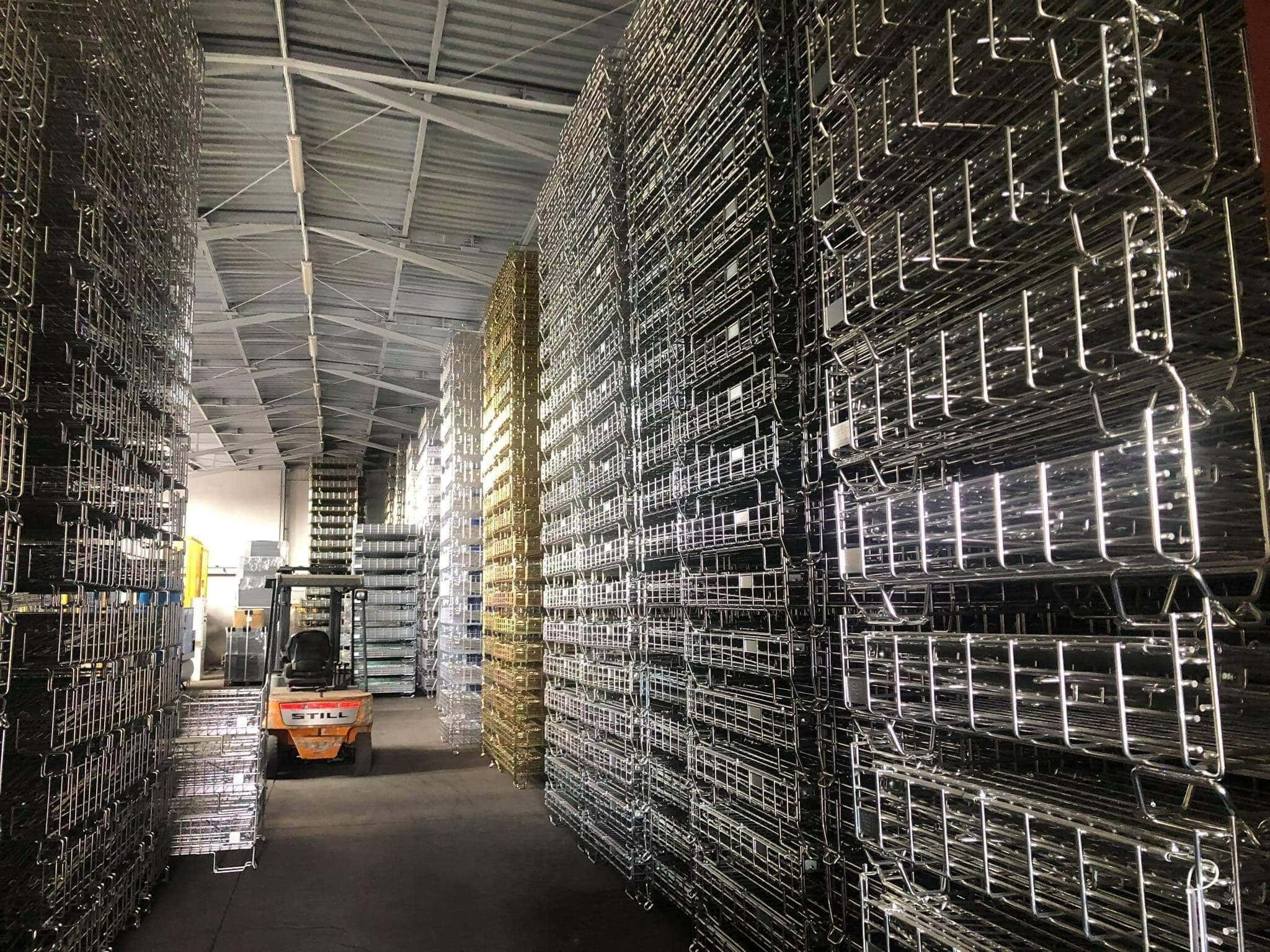
Reusable Means More Than a Durable Container
One important point needs clarification here. PPWR does not mean a ban on using cardboard transport packaging. Cardboard boxes have been excluded from the reuse targets for transport packaging.
This doesn’t change the fact that for many companies, PPWR should be a moment to re-analyze the current packaging model and the flow of packaging throughout the entire logistics chain.
If cardboard is used in regular flow between production, warehouse, logistics center, and recipient, and after each delivery it’s necessary to introduce another package into circulation, it’s worth checking today which processes could adopt a reusable solution as an alternative aligned with PPWR’s direction and requirements. In some processes, reusability will no longer be just a matter of optimization—it will be part of adapting logistics to new regulatory requirements. From 2030, PPWR establishes mandatory reuse targets for specified transport packaging formats and special requirements for selected closed logistics flows.
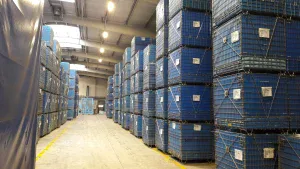
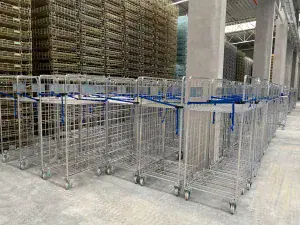
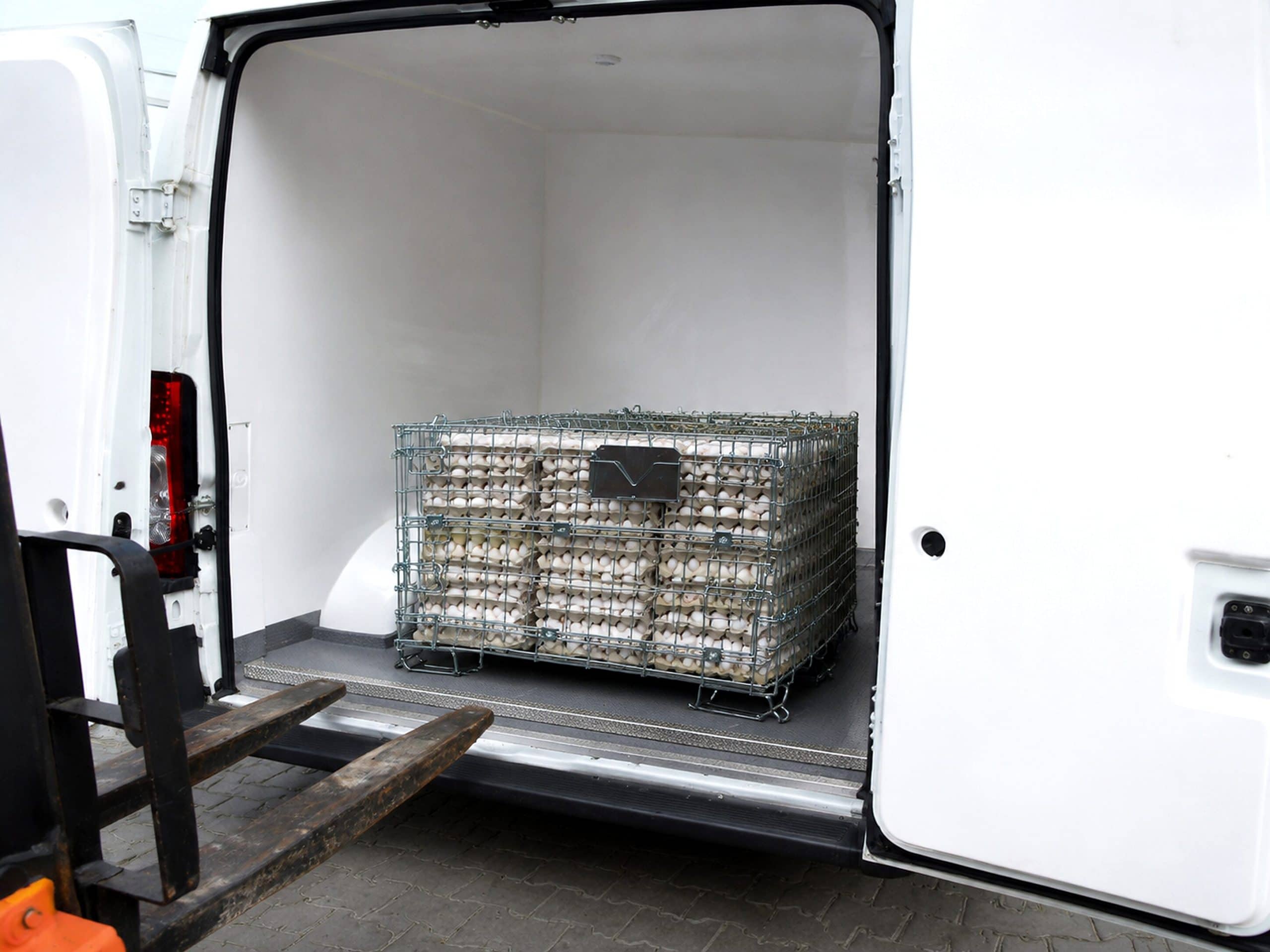
In the vast majority of such applications, a reusable metal container can replace single-use packaging or a solution with a low number of rotations.
And it’s not just about regulations. A properly designed system can reduce the number of packages purchased, create a repeatable circulation, better protect the product, organize the warehouse, utilize stacking capability, and enable refurbishment of damaged carriers.
The work involved in handling the packaging also matters. The analysis should include the number of manual operations: assembling and preparing packages, securing them, repacking, moving, replacing damaged packages, and disposing of them after use. A reusable solution, well-matched to the process, can reduce some of these activities, shorten handling time, and decrease worker involvement in repetitive packaging-related operations.
There’s one condition: the process must work operationally and economically.
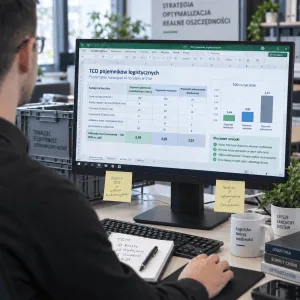
That’s why instead of comparing the price of one cardboard box with the price of one metal container, it’s worth comparing the cost of the entire use cycle—including purchase, number of rotations, transport, storage, handling, labor, losses, repairs, and refurbishment. Only such a comparison reveals the true cost of a solution.
Check which processes you can base on reusable solutions, refurbishment, and longer packaging lifecycles.
A New Logistics Solution Isn’t Always the Answer
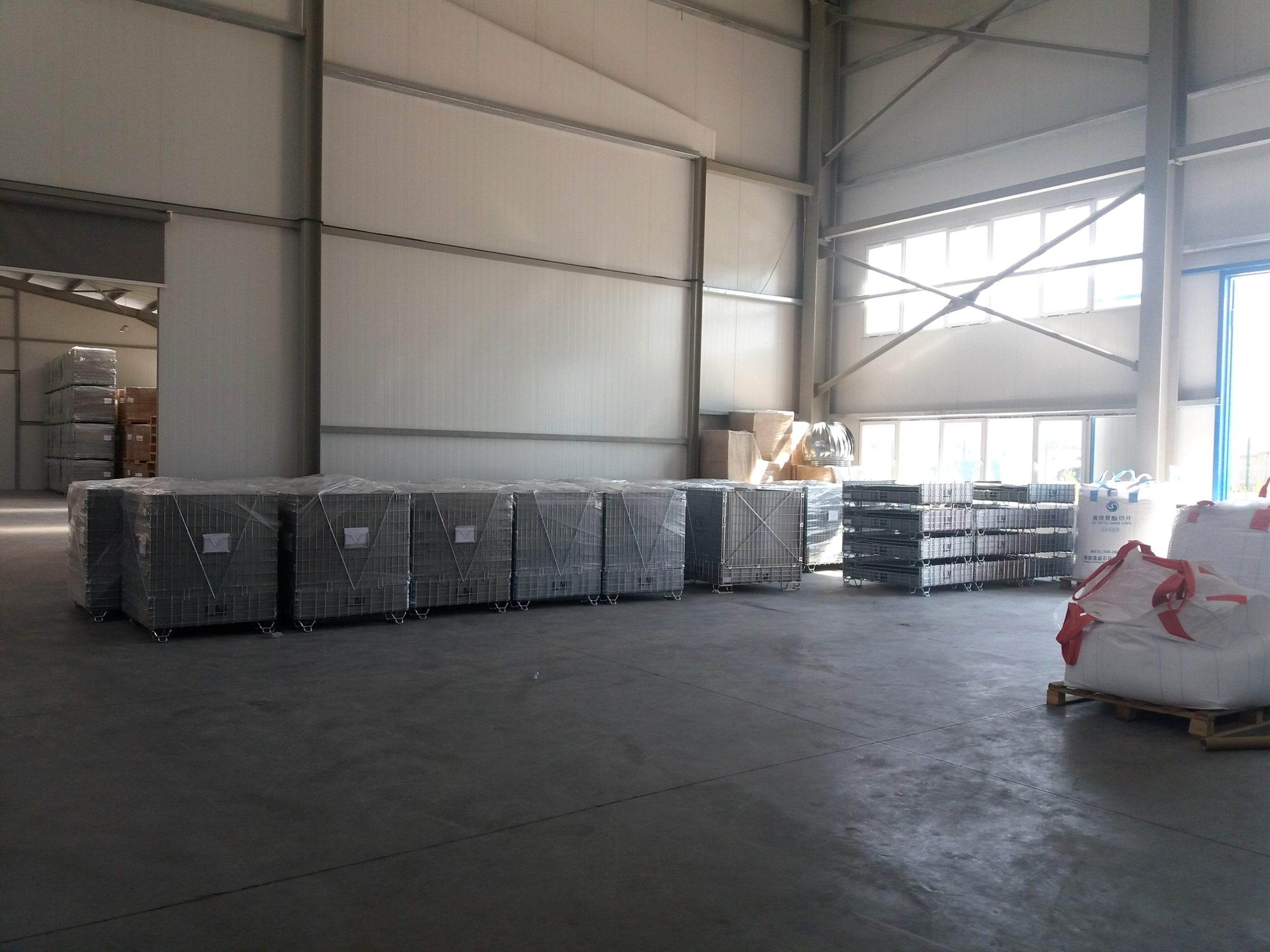
This is probably the most important conclusion we, as a manufacturer, want to convey to our customers. PPWR should not mean automatically replacing everything currently in warehouses. Reusable packaging that’s already in circulation and fulfilling its operational role should first be evaluated for continued use, repair capability, and refurbishment.
That’s why it’s worth checking what we already have first. Sometimes the best solution will be refurbishing the existing fleet. Sometimes changing how it rotates or how circulation is organized. Sometimes designing a dedicated carrier for a specific product and process. And most often—where single-use packaging or packaging with a low number of rotations is currently used—transitioning to a reusable solution that can work in circulation for years.
In practice, this means not only changing the packaging itself, but also rethinking the entire process: how it’s used, returned, stored, handled, repaired, and reused.
Check which processes you can base on reusable solutions, refurbishment, and longer packaging lifecycles.
PPWR Checklist for Logistics. What’s Worth Checking Today?
You don’t have to start with a revolution. You can start with one process or one logistics flow.
- What transport packaging are we using today?
- Which of them are single-use or have a low number of rotations?
- In which processes do we have regular flows between the same locations?
- Can we organize the return of empty carriers?
- How many packages actually come back to us, and how many are lost in the supply chain?
- Can carriers be folded or stacked to reduce return transport costs and space occupied?
- What do we do with damaged carriers? Replace them or refurbish them?
- Do we actually know the real cost of one packaging use cycle?
- Are we analyzing purchase price, or also TCO—the total cost of ownership of the solution?
- Is there one process where we can test a reusable solution before committing to a larger change?
A Change Worth Going Through Together
For many companies, PPWR will be a process spread over the coming years. Some detailed rules are still being refined by the European Commission in implementing acts, delegated acts, and guidelines. The Commission itself notes that further implementing solutions will appear in subsequent years as well.
At Elkom Trade, we’re ready to support our customers through this process.
From analyzing current storage and transport methods, through selecting a standard solution or designing a dedicated carrier, to analyzing its rotation, TCO, refurbishment possibilities, and reuse.
We don’t want to view PPWR solely through the lens of new obligations.
We treat it as an impetus to build logistics where packaging works longer, completes more rotations, and is better matched to the actual process.
Because what will become increasingly important is not only what we buy and how cheaply, but above all how long and how efficiently we can use it.

Author: Jolanta Rozwadowska
Key Account Manager · Elkom Trade
An expert in implementing dedicated logistics solutions for various industries. For years, she has supported clients at every stage of cooperation, from needs analysis and consulting, through selecting the appropriate carrier, to implementing the solution at the client's plant. She participated in introducing Elkom Trade containers to many companies in various markets, combining knowledge of operational processes with a practical approach to client needs.